Mandala Design for Patterns Vol.60 – A Graphic Asset for Creative Publishing
As an experienced blog designer and digital publisher, I’ve tested countless graphic design assets over the years, but Mandala Design for Patterns Vol.60 stands out for its versatility and visual appeal. This patterns-based graphic design asset brings a unique artistic flair that can elevate your editorial content, website visuals, and social media graphics to new heights.
A First Impression: Elegant and Versatile
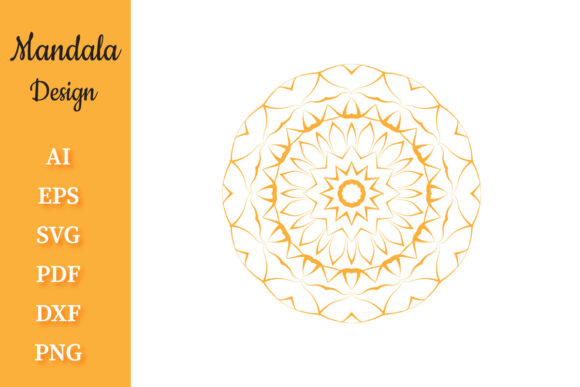
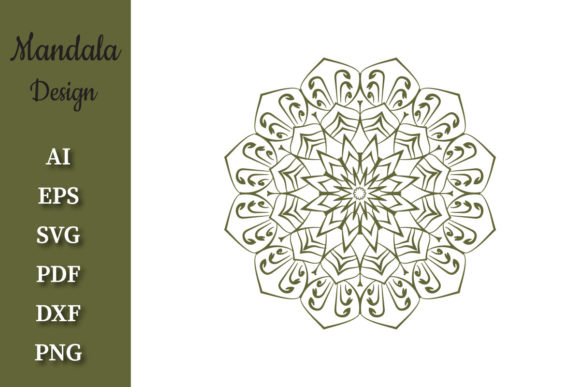
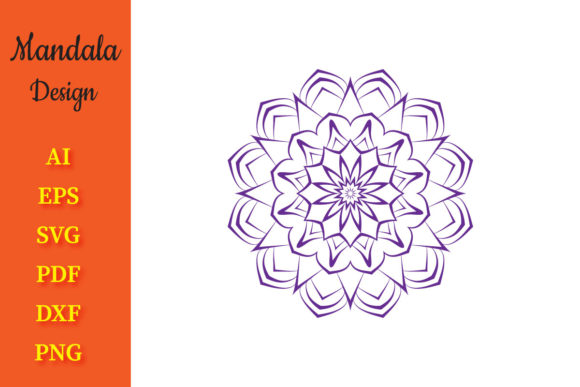
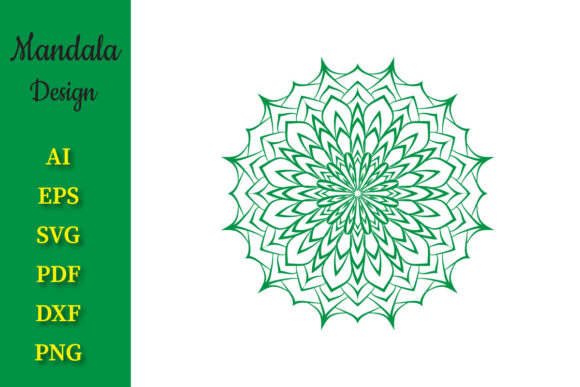
At first glance, Mandala Design for Patterns Vol.60 exudes a sense of calm sophistication. The intricate geometric patterns are both decorative and modern, making them suitable for a wide range of creative projects. This design asset creates a lifestyle-focused mood, blending artistic elements with a touch of professionalism. It feels especially well-suited for niches like wellness, mindfulness, art, fashion, and interior design.
The mandala-style patterns add a layer of visual interest without overwhelming the viewer. They’re not too bold or busy, which makes them ideal for editorial layouts that require subtle accents or background textures.
Real-World Applications in Content Publishing
Mandala Design for Patterns Vol.60 is incredibly flexible and can be used across various publishing scenarios. Here are some practical examples:
- Blog Featured Images: Use these patterns as a backdrop for your article headers to create a cohesive look that aligns with your brand identity.
- Pinterest Graphics: These designs are perfect for creating eye-catching Pinterest pins that stand out in a sea of content.
- Newsletter Banners: Incorporate the mandala patterns into your newsletter headers or promotional banners to enhance visual hierarchy and reader engagement.
- Digital Guides & Worksheets: Add these patterns as borders or backgrounds in downloadable resources to make your content feel more polished and professional.
- Social Media Previews: Use the patterns to design engaging social media previews that improve click-through rates and brand recognition.
How This Design Asset Supports Content Performance
One of the most significant benefits of using Mandala Design for Patterns Vol.60 is how it enhances content performance. Here’s how:
- Stronger First Impressions: The visually appealing patterns immediately capture attention, helping your content stand out on any platform.
- Clearer Visual Hierarchy: When paired with text, these patterns help guide the reader’s eye toward key messages or calls to action.
- Better Click-Through Potential: Eye-catching visuals increase the likelihood of users clicking through to your content or landing pages.
- More Consistent Branding: Using the same design asset across multiple platforms helps build a strong and recognizable brand identity.
- Improved Reader Trust: Professional-looking visuals contribute to a perception of quality and reliability, which can boost reader trust.
Where This Asset Works Best
Mandala Design for Patterns Vol.60 shines in specific areas of content publishing. Consider using it for:
- Hero Images: As a background for your website’s homepage or landing pages.
- Article Thumbnails: To create consistent and attractive thumbnails for your blog posts.
- Pinterest Pins: For visually rich pins that drive traffic and engagement.
- Editorial Accents: As a subtle design element within articles or digital guides.
- Category Visuals: To differentiate sections of your blog or website with unique pattern-based headers.
Where to Use with Caution
While this asset is highly versatile, there are certain contexts where it might not be the best fit. Avoid using it in:
- Small Mobile Thumbnails: The intricate details may get lost on smaller screens.
- Text-Heavy Blog Images: Too much pattern can distract from the message or readability.
- Low-Contrast Backgrounds: Ensure there’s enough contrast between the pattern and any text or images placed over it.
- Busy Layouts: In complex or cluttered designs, the mandala patterns could become overwhelming.
- Corporate or Serious Niches: If your brand requires a very minimal or formal aesthetic, this asset might not align with that visual tone.
Practical Publisher Notes for Using Mandala Design for Patterns Vol.60
To ensure optimal results when using Mandala Design for Patterns Vol.60, keep these tips in mind:
- Test on Desktop and Mobile: Make sure the design looks good on all screen sizes before publishing.
- Check Thumbnail Appearance: Preview how the pattern appears as a small thumbnail on your blog or social media feeds.
- Preview in Real Layouts: See how the design integrates with your existing blog templates or website headers.
- Test with Headline Text: Ensure the pattern complements your headlines without overpowering them.
- Review Contrast and Readability: Always test the design with different color schemes and font styles to maintain readability.
- Try in Black and White: Assess if the pattern still holds visual appeal in grayscale.
- Experiment with Fonts: Pair the design with serif, sans-serif, script, handwritten, or display fonts to find the best combination.
- Review File Size: Optimize images for web performance to avoid slow load times.
- Confirm Commercial Licensing: Before using this asset on monetized websites, affiliate pages, or paid content products, ensure you have the proper commercial license.
Final Thoughts on Mandala Design for Patterns Vol.60
Mandala Design for Patterns Vol.60 is a valuable addition to any designer’s toolkit. Whether you're working on a blog, digital product, or social media campaign, this graphic design asset offers a refined and artistic approach that supports both editorial quality and visual appeal. With 100 print-ready files available in Adobe Illustrator and EPS formats, it’s a reliable choice for bloggers, publishers, and creative professionals looking to enhance their content with professional-grade design elements.
By incorporating Mandala Design for Patterns Vol.60 into your workflow, you’ll be able to create more engaging content that resonates with your audience and strengthens your brand identity across all digital channels.