Box Digital Paper Patterns Design Review
A First Look at Box Digital Paper Patterns Design
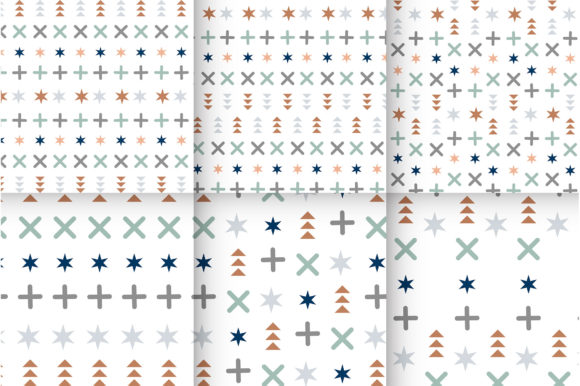
As an experienced designer and embroidery product reviewer, I always start by assessing how a design feels before stitching. Box Digital Paper Patterns Design immediately catches the eye with its clean, structured layout and subtle elegance. The AI and EPS formats suggest flexibility for editing, which is great for customizing the design to fit different projects.
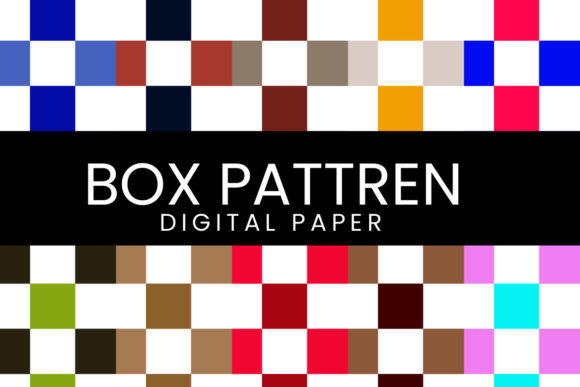
The visual personality of this pattern leans toward minimalism, with crisp lines and geometric shapes that feel modern yet timeless. It’s not overly busy, which makes it versatile for a wide range of applications. Whether you're looking for something understated or refined, this design has a quiet confidence that works well in both personal and commercial embroidery work.
Real-World Use: Custom Embroidered Tote Bag
Let me walk through a practical example. Imagine preparing a custom embroidered tote bag for a small shop or Etsy listing. Box Digital Paper Patterns Design would sit beautifully on a canvas tote, adding a touch of sophistication without overwhelming the fabric. Its structure makes it ideal for a satin stitch outline, giving the bag a polished look that customers would appreciate.
For a tote bag, I’d test the design on scrap fabric first. Checking thread color contrast is key—especially if the final product will be sold in a variety of colors. The design’s clarity on a preview JPG or PNG file gives a good idea of how it’ll translate into stitches, but nothing beats seeing it on fabric.
One thing to note is that this design might need a bit more detail when used on darker fabrics. I’d recommend testing it in black and white mockups to ensure the outlines remain visible. A proper stabilizer will also help maintain the integrity of the stitches, especially if the fabric is textured or stretchy.
Where This Design Shines
Box Digital Paper Patterns Design is a solid choice for several embroidery applications. Here are some scenarios where it excels:
- Custom Apparel: Sweatshirts, t-shirts, and baby clothes can benefit from this design’s clean lines and subtle appeal. It adds a touch of style without being too flashy.
- Embroidered Patches: The design’s simplicity makes it perfect for patches that need to stand out but not overpower the garment.
- Boutique Merchandise: For handmade shops or Etsy sellers, this pattern could be used on aprons, pillow covers, or kitchen towels. It adds a professional finish that customers notice.
- Personalized Gifts: Holiday gifts, wedding favors, or nursery decor can all use this design to add a unique, thoughtful touch.
It’s also a great option for digital product sellers who need printable mockups or design assets that can be easily customized. The availability of AI, EPS, SVG, and preview files makes it adaptable for various uses, from client projects to commercial embroidery.
Areas to Approach with Caution
While Box Digital Paper Patterns Design is versatile, there are certain situations where extra care is needed:
- Small Hoop Sizes: The design’s size and detail may require a larger hoop to ensure full visibility and even stitch distribution.
- Dark Fabrics: As mentioned earlier, the design may not pop as well on dark backgrounds. Testing with different thread colors is essential.
- Stretchy or Thin Fabrics: Using a proper stabilizer becomes even more important here to prevent distortion during stitching.
- Dense Stitch Areas: If the design includes intricate details, checking the stitch density in the AI or EPS file is crucial to avoid overcrowding the fabric.
For products that need frequent washing, like tote bags or aprons, ensuring the design is securely stitched with the right stabilizer and thread type is vital for longevity.
Design Impact and Practical Notes
The visual appeal of Box Digital Paper Patterns Design contributes to the overall value of the finished product. Customers appreciate designs that look professional and well-crafted, which this one does. It enhances the handmade presentation and can help build brand consistency, especially for small business owners or crafters selling online.
From a practical standpoint, I recommend reviewing the stitch density in the AI file before finalizing any project. Confirming the hoop size and checking whether the design works for both personal and commercial use is also important. If you plan to sell finished items or digital products, make sure to confirm the licensing terms provided by the seller.
Testing the design on scrap fabric first, comparing it on light and dark backgrounds, and using proper stabilizers will help ensure the best results. This design can be a valuable addition to your embroidery toolkit, especially for those looking to create elegant, minimalist pieces that stand out in a crowd.